Are Medium Efficiency Pocket Filters resistant to chemicals?
As a supplier of Medium Efficiency Pocket Filters, I am often asked about their resistance to chemicals. This is a crucial question, especially for industries where chemical exposure is a common occurrence. In this blog post, I will delve into the topic of chemical resistance in medium efficiency pocket filters, exploring the factors that influence it and the implications for various applications. Medium Efficiency Pocket Filter

Understanding Medium Efficiency Pocket Filters
Before we discuss chemical resistance, let’s first understand what medium efficiency pocket filters are. These filters are designed to capture particles in the range of 1 – 5 microns with an efficiency typically between 60% – 95% (depending on the specific filter rating). They are commonly used in HVAC systems, commercial buildings, and industrial settings to improve air quality by removing dust, pollen, mold spores, and other airborne particles.
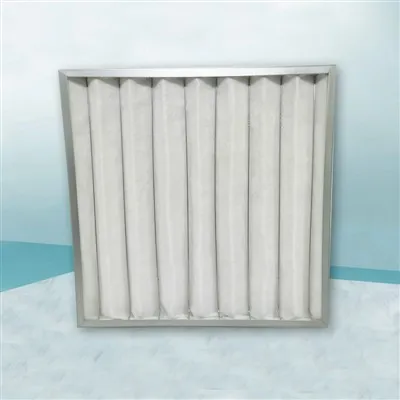
The construction of medium efficiency pocket filters consists of multiple pockets made of filter media. The media is usually a synthetic fiber material, such as polyester, which provides a large surface area for particle capture. The pockets are supported by a frame, which can be made of materials like galvanized steel or aluminum.
Factors Affecting Chemical Resistance
The chemical resistance of medium efficiency pocket filters depends on several factors, including the type of filter media, the nature of the chemicals, and the exposure conditions.
Filter Media
The choice of filter media plays a significant role in determining chemical resistance. Different materials have different chemical properties, and some are more resistant to certain chemicals than others. For example, polyester is a commonly used filter media due to its good mechanical strength and chemical resistance. It can withstand exposure to many common chemicals, such as acids, alkalis, and solvents, to a certain extent. However, prolonged exposure to strong chemicals or high concentrations of chemicals can still cause damage to the filter media.
Another factor is the surface treatment of the filter media. Some manufacturers apply coatings or treatments to the media to enhance its chemical resistance. For example, a hydrophobic coating can make the filter more resistant to water and certain chemicals.
Nature of the Chemicals
The type of chemicals the filter is exposed to also affects its resistance. Chemicals can be classified into different categories, such as acids, alkalis, solvents, and oxidizing agents. Each category has different chemical properties and can react differently with the filter media.
Acids, for example, can react with the filter media and cause corrosion or degradation. Strong acids, such as sulfuric acid or hydrochloric acid, can be particularly damaging. Alkalis, on the other hand, can also cause damage to the filter media, especially if they are in high concentrations. Solvents can dissolve or swell the filter media, reducing its effectiveness. Oxidizing agents can cause oxidation of the filter media, leading to changes in its physical and chemical properties.
Exposure Conditions
The exposure conditions, such as the concentration of the chemicals, the duration of exposure, and the temperature, also play a role in determining the chemical resistance of the filter. Higher concentrations of chemicals and longer exposure times are more likely to cause damage to the filter. Additionally, high temperatures can accelerate chemical reactions and increase the rate of degradation of the filter media.
Applications and Chemical Resistance Requirements
The chemical resistance requirements for medium efficiency pocket filters vary depending on the application. Here are some common applications and the associated chemical resistance considerations:
HVAC Systems
In HVAC systems, medium efficiency pocket filters are used to improve indoor air quality. While the exposure to chemicals in HVAC systems is generally lower compared to industrial settings, there may still be some chemical contaminants present, such as volatile organic compounds (VOCs) emitted from building materials, cleaning products, or office equipment. In this case, the filter media should be able to withstand exposure to these common chemicals without significant degradation.
Industrial Settings
In industrial settings, medium efficiency pocket filters may be exposed to a wide range of chemicals, depending on the type of industry. For example, in the chemical manufacturing industry, filters may be exposed to strong acids, alkalis, and solvents. In the pharmaceutical industry, filters may need to be resistant to disinfectants and other chemicals used in the manufacturing process. In these cases, the filter media should have high chemical resistance to ensure long-term performance and reliability.
Food and Beverage Industry
In the food and beverage industry, medium efficiency pocket filters are used to maintain a clean and hygienic environment. The filters may be exposed to food additives, cleaning agents, and other chemicals used in the production process. It is important that the filter media is resistant to these chemicals and does not contaminate the food or beverage products.
Testing and Certification
To ensure the chemical resistance of medium efficiency pocket filters, manufacturers often conduct testing and obtain certifications. These tests can include exposure to various chemicals under controlled conditions to evaluate the performance and durability of the filter media. Certifications, such as ISO standards or industry-specific certifications, can provide assurance to customers that the filters meet certain quality and performance requirements.
Conclusion
In conclusion, the chemical resistance of medium efficiency pocket filters is an important consideration, especially for applications where chemical exposure is a concern. The choice of filter media, the nature of the chemicals, and the exposure conditions all play a role in determining the chemical resistance of the filters. By understanding these factors and selecting the appropriate filter media, it is possible to ensure that the filters can withstand the chemical environment and provide long-term performance.
Medium Efficiency Panel Air Filter If you are in need of medium efficiency pocket filters with specific chemical resistance requirements, I encourage you to contact us. Our team of experts can help you select the right filter for your application and provide you with detailed information about the chemical resistance of our products. We are committed to providing high-quality filters that meet the needs of our customers and ensure the safety and efficiency of their operations.
References
- ASHRAE Handbook – Fundamentals. American Society of Heating, Refrigerating and Air-Conditioning Engineers.
- ISO 16890:2016. Air filters – Determination of filtration performance. International Organization for Standardization.
- Filter Media Manufacturers Association (FMMA) standards and guidelines.
Shandong Xunmiao Purification Equipment Co., Ltd
As one of the most professional medium efficiency pocket filter manufacturers and suppliers in China, we’re featured by quality products and good price. Be free to buy cheap medium efficiency pocket filter for sale here and get quotation from our factory. Contact us for customized service.
Address: Tianqu small and medium enterprises Incubator Park, Tianqu Sub-district Office, Dezhou City, Shandong Province
E-mail: xunmiaojh@gmail.com
WebSite: https://www.sdxmjh.com/
