Hey there! I’m a supplier of dyeing auxiliaries, and today I wanna chat about how these nifty little helpers can influence the dyeing temperature. Dyeing Auxiliaries
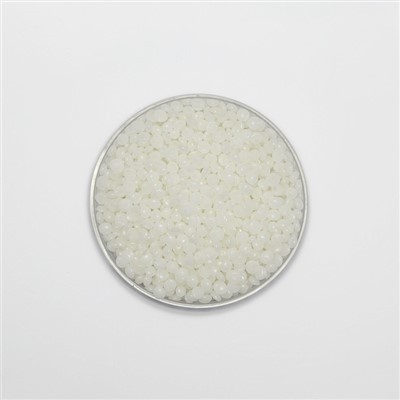
Let’s start with the basics. Dyeing auxiliaries are substances that we add to the dyeing process to improve the dyeing effect, make it more efficient, and sometimes even save energy. They come in all sorts of types, like leveling agents, dispersants, fixing agents, and more. Each type has its own unique role to play in the dyeing game, and they can all have an impact on the temperature at which the dyeing takes place.
One of the main ways dyeing auxiliaries affect the dyeing temperature is by altering the solubility of the dyes. You see, dyes need to be dissolved in water or another solvent to be able to penetrate the fabric. Some dyes are more soluble at higher temperatures, while others are more soluble at lower temperatures. Dyeing auxiliaries can help to increase the solubility of the dyes, which means that we can sometimes lower the dyeing temperature.
For example, let’s say we’re using a disperse dye to dye polyester fabric. Disperse dyes are not very soluble in water, so we usually need to dye the fabric at a high temperature, around 130°C. But if we add a dispersant to the dye bath, it can help to keep the dye particles evenly dispersed in the water, which makes it easier for the dye to penetrate the fabric. This means that we can sometimes lower the dyeing temperature to around 120°C or even lower, which can save a lot of energy and reduce the cost of the dyeing process.
Another way dyeing auxiliaries can influence the dyeing temperature is by affecting the affinity of the dyes for the fabric. Affinity is basically how well the dye sticks to the fabric. Some dyes have a high affinity for certain types of fabric, while others have a low affinity. Dyeing auxiliaries can help to increase the affinity of the dyes for the fabric, which means that we can sometimes lower the dyeing temperature.
For example, let’s say we’re using a reactive dye to dye cotton fabric. Reactive dyes have a high affinity for cotton, but they usually need to be dyed at a high temperature, around 60°C to 90°C. But if we add a fixing agent to the dye bath, it can help to increase the affinity of the dye for the cotton, which means that we can sometimes lower the dyeing temperature to around 40°C or even lower. This can also save a lot of energy and reduce the cost of the dyeing process.
In addition to altering the solubility and affinity of the dyes, dyeing auxiliaries can also affect the dyeing temperature by changing the pH of the dye bath. The pH of the dye bath can have a big impact on the dyeing process, because different dyes work best at different pH levels. Some dyes work best in an acidic environment, while others work best in an alkaline environment. Dyeing auxiliaries can help to adjust the pH of the dye bath to the optimal level for the dye, which can sometimes lower the dyeing temperature.
For example, let’s say we’re using a direct dye to dye wool fabric. Direct dyes work best in a slightly acidic environment, so we usually need to adjust the pH of the dye bath to around 4.5 to 5.5. But if we add an acidifying agent to the dye bath, it can help to lower the pH of the dye bath to the optimal level, which means that we can sometimes lower the dyeing temperature to around 80°C or even lower.
So, as you can see, dyeing auxiliaries can have a big impact on the dyeing temperature. By altering the solubility, affinity, and pH of the dyes, we can sometimes lower the dyeing temperature, which can save a lot of energy and reduce the cost of the dyeing process.
But it’s not just about saving energy and money. Using dyeing auxiliaries can also improve the quality of the dyeing. By helping the dyes to penetrate the fabric more evenly, we can get a more consistent and vibrant color. And by reducing the dyeing temperature, we can also reduce the risk of damage to the fabric, which means that we can get a better quality finished product.
If you’re in the textile industry and you’re looking for ways to improve your dyeing process, I highly recommend considering using dyeing auxiliaries. As a supplier of dyeing auxiliaries, I have a wide range of products that can help you to achieve better results at a lower cost. Whether you’re dyeing natural fibers like cotton and wool, or synthetic fibers like polyester and nylon, I have the right products for you.
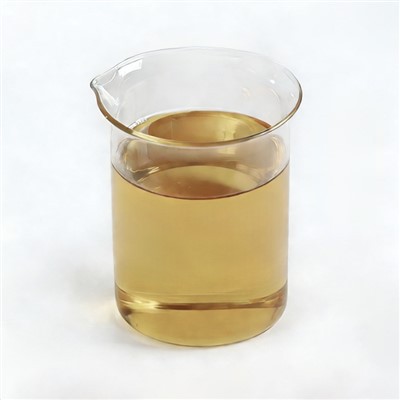
So, if you’re interested in learning more about how dyeing auxiliaries can influence the dyeing temperature, or if you’re looking for specific products to improve your dyeing process, please don’t hesitate to contact me. I’d be happy to answer any questions you have and help you find the right solutions for your needs.
Nonionic Softener References:
- "Textile Dyeing and Finishing" by R. M. Christie
- "Dyeing of Textiles" by B. C. Gupta
- "Handbook of Textile Dyeing" by M. S. M. Rahman
Nanfeng Dasun Technology Co., Ltd.
As one of the leading dyeing auxiliaries manufacturers and suppliers in China, we offer a wide range of products with superior quality for industrial. Please rest assured to buy bulk dyeing auxiliaries made in China here from our factory. Contact us for more details.
Address: Nanfeng Industrial Park, Nanfeng County, Fuzhou City, Jiangxi Province, China
E-mail: Inquiry@honechem.com
WebSite: https://www.honechem.org/
