Hey there! I’m a supplier of data communication cables, and I often get asked about how to secure these cables in a rack. It’s a crucial aspect of setting up a reliable and efficient network infrastructure, so I thought I’d share some tips and tricks based on my experiences in the field. Data Communication Cable
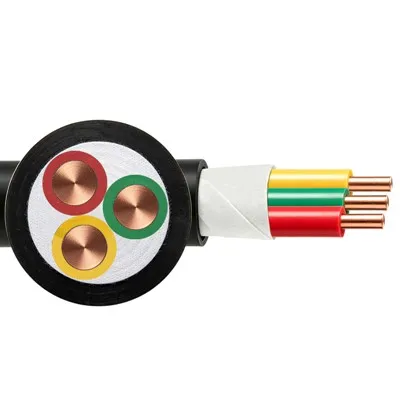
First off, let’s talk about why it’s so important to secure data communication cables in a rack. When your cables are properly secured, it reduces the risk of damage from accidental pulls, bends, or twists. This is super important because damaged cables can lead to signal loss, interference, and even complete network failures. Plus, a well – organized and secured cable setup makes it easier for maintenance and troubleshooting. You won’t have to deal with a big mess of tangled cables, trying to figure out which one is which.
Now, here’s how I usually approach cable securing in a rack.
Planning Your Cable Route
Before you start installing and securing your cables, you need to have a solid plan for the cable route. Think about where the cables are coming from and where they need to go. You want to avoid creating sharp bends or kinks in the cables, as this can degrade the signal quality. The general rule of thumb is to maintain a bend radius that’s at least 10 times the diameter of the cable for most types of data communication cables.
I always recommend using a cable management system like cable trays or raceways. These provide a dedicated path for your cables, keeping them organized and protected. You can mount these cable management systems on the sides or back of the rack. They come in different sizes and shapes, so you can choose one that fits your needs and the size of your rack.
Using Cable Ties and Clamps
Cable ties are probably the most common and cost – effective way to secure cables in a rack. You can use them to group cables together and attach them to the rack or cable management system. When using cable ties, make sure not to over – tighten them. If you pull them too tight, you might damage the cable jacket or even the internal conductors. A good tip is to leave a little bit of slack so that the cables can move slightly without breaking the ties.
There are also cable clamps available, which are great for securing individual cables or small groups of cables. These clamps are usually made of plastic or metal and can be easily attached to the rack with screws or other fasteners. They provide a more secure hold compared to cable ties, especially for heavier or thicker cables.
Labeling Your Cables
Labeling is a simple but incredibly important step in securing data communication cables in a rack. When you label your cables, it becomes much easier to identify them during maintenance or troubleshooting. You can use pre – printed cable labels or create your own using a label maker. Make sure to include important information like the cable type, destination, and any unique identifiers.
For example, if you have a cable that connects to a specific server in another part of the building, label it with the server’s name or ID and the port it’s connected to. This way, if there’s ever an issue with that connection, you can quickly find and troubleshoot the cable.
Securing Power Cables Separately
It’s a good idea to keep power cables separate from data communication cables. Power cables can generate electromagnetic interference (EMI), which can affect the performance of your data cables. You can use separate cable trays or raceways for power and data cables, or you can simply use different sides of the rack to keep them apart.
If you have to run power and data cables close to each other, make sure to use shielded data cables. Shielded cables are designed to reduce the impact of EMI, providing a more reliable data connection.
Regular Inspections
Once you’ve secured all your cables in the rack, don’t just forget about them. Regular inspections are crucial to ensure that the cables remain secure and in good condition. Check for any signs of wear and tear, such as frayed cable jackets or loose connections. Make sure that all the cable ties and clamps are still holding up properly.
If you notice any issues during your inspections, address them right away. Replace damaged cables, tighten loose connections, and add new cable ties or clamps as needed. This proactive approach can save you a lot of headaches down the road.
Dealing with Cable Slack
Cable slack is a common problem in rack installations. Too much slack can lead to a messy and unorganized setup, increasing the risk of cable damage. On the other hand, too little slack can make it difficult to move or replace cables in the future.
A good way to deal with cable slack is to create loops. You can neatly coil the extra cable and secure it with cable ties or clamps. Make sure the loops are big enough so that the cables don’t get too tightly wound, but small enough to keep the setup organized.
Using Cable Management Panels
Cable management panels are another great tool for securing data communication cables in a rack. These panels are designed to hold multiple cables and provide a clean and organized way to manage them. They usually have holes or slots for routing the cables, and some even come with built – in cable ties or clamps.
You can mount cable management panels on the front or back of the rack, depending on your needs. They’re especially useful for high – density cable installations, where you have a lot of cables to manage.
Training Your Staff
If you have a team that works on your network infrastructure, it’s important to train them on proper cable securing techniques. Make sure they understand the importance of cable management and know how to use the tools and equipment correctly. This can help prevent accidental cable damage and ensure that your network remains reliable.
In conclusion, securing data communication cables in a rack is a multi – step process that requires careful planning, the right tools, and regular maintenance. By following these tips, you can create a secure and organized cable setup that will keep your network running smoothly.
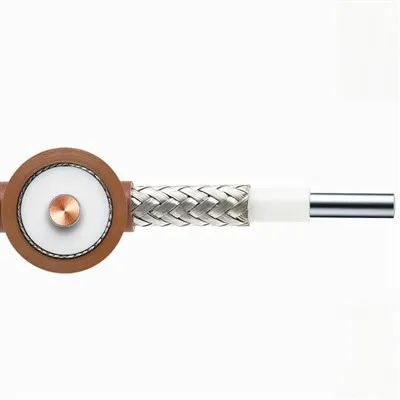
If you’re in the market for high – quality data communication cables or need more advice on cable management, I’d love to have a chat with you. Whether you’re setting up a new network or upgrading an existing one, we’ve got the products and expertise to meet your needs. Just reach out, and we can start a conversation about how we can help you achieve a reliable and efficient cable infrastructure.
Control Cable Low Voltage References
- "Network Cabling Installation Handbook"
- "Cable Management Best Practices Guide"
- Industry – specific whitepapers on data communication cable installation and maintenance
Yangzhou Huayu Cable Co., Ltd.
Yangzhou Huayu Cable Co., Ltd. is one of the most professional data communication cable manufacturers and suppliers in China, also supports customized service with low price. Please feel free to wholesale advanced data communication cable made in China here from our factory. Contact us for pricelist.
Address: No. 9 Jingang Road, Yangzhou City, Jiangsu Province, China
E-mail: huayucableco@126.com
WebSite: https://www.huayucabletech.com/
