What is the maximum force a hydraulic system can generate?
As a supplier of hydraulic systems, I’ve often been asked about the maximum force these systems can generate. It’s a complex question that depends on several factors, and today, I’d like to delve into this topic to provide a comprehensive understanding. Hydraulic System
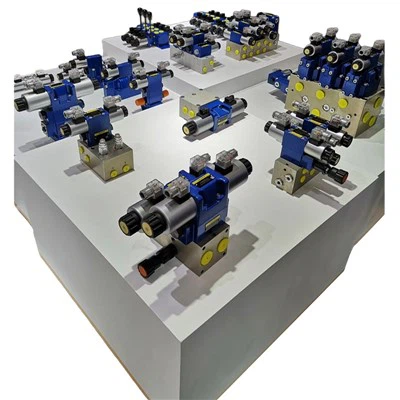
Hydraulic systems operate on the principle of Pascal’s Law, which states that when pressure is applied to an enclosed fluid, the pressure change is transmitted equally throughout the fluid in all directions. This law forms the basis for the operation of hydraulic systems, allowing them to generate significant forces.
The force generated by a hydraulic system is determined by two main factors: the pressure applied to the fluid and the area of the piston on which the pressure acts. The relationship between force, pressure, and area is given by the formula F = P × A, where F is the force, P is the pressure, and A is the area.
Let’s first consider the pressure. Hydraulic systems can operate at a wide range of pressures, depending on the design and application. In general, industrial hydraulic systems can operate at pressures ranging from a few hundred pounds per square inch (psi) to several thousand psi. High – pressure hydraulic systems can reach pressures of up to 10,000 psi or even higher in some specialized applications.
For example, in a typical automotive brake system, the hydraulic pressure may range from 1000 – 2000 psi. This relatively lower pressure is sufficient to activate the brake calipers and stop the vehicle. On the other hand, in heavy – duty industrial machinery such as hydraulic presses, the pressure can be much higher. A large hydraulic press used in metal forming operations may operate at pressures of 5000 – 10,000 psi to generate the force required to shape metal.
The second factor, the area of the piston, also plays a crucial role in determining the force. A larger piston area will result in a greater force being generated for a given pressure. Consider two hydraulic cylinders with different piston areas. If both cylinders are subjected to the same pressure, the cylinder with the larger piston area will produce a greater force.
Let’s take a practical example. Suppose we have two hydraulic cylinders, one with a piston area of 1 square inch and the other with a piston area of 5 square inches. If a pressure of 1000 psi is applied to both cylinders, the force generated by the first cylinder will be F1 = P × A1 = 1000 psi × 1 in² = 1000 pounds. For the second cylinder, the force will be F2 = P × A2 = 1000 psi × 5 in² = 5000 pounds.
In addition to pressure and piston area, the design and construction of the hydraulic system also affect the maximum force it can generate. The quality of the hydraulic components, such as pumps, valves, and cylinders, is crucial. High – quality components are designed to withstand high pressures and ensure efficient operation. For instance, a well – designed hydraulic pump can deliver a consistent flow of fluid at the required pressure, while a reliable valve can control the flow and pressure accurately.
The material used in the construction of the hydraulic components also matters. Hydraulic cylinders are often made of high – strength steel or other alloys to withstand the high pressures and forces. The seals in the system must be able to prevent leakage and maintain the integrity of the hydraulic fluid.
Another aspect to consider is the power source of the hydraulic system. Hydraulic systems can be powered by electric motors, internal combustion engines, or other power sources. The power of the source determines the flow rate of the hydraulic fluid, which in turn affects the force – generating capacity of the system. A more powerful power source can provide a higher flow rate, allowing the system to generate forces more quickly.
In some extreme applications, such as in the aerospace or defense industries, hydraulic systems are designed to generate extremely high forces. For example, in aircraft landing gear systems, hydraulic actuators are used to extend and retract the landing gear. These systems need to be able to withstand high pressures and generate large forces to ensure the safe operation of the aircraft.
In the construction industry, hydraulic systems are used in equipment such as excavators, bulldozers, and cranes. These machines rely on hydraulic power to perform heavy – duty tasks, such as digging, lifting, and pushing. The maximum force generated by the hydraulic systems in these machines is crucial for their performance.
However, it’s important to note that there are practical limits to the maximum force a hydraulic system can generate. As the pressure and force increase, the risk of component failure also increases. High – pressure hydraulic systems require careful design, maintenance, and safety measures to prevent accidents. For example, pressure relief valves are often installed in hydraulic systems to prevent over – pressurization and protect the components.
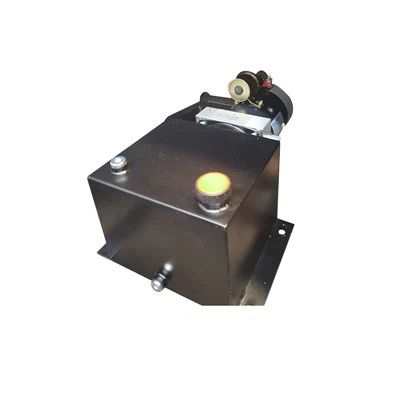
In conclusion, the maximum force a hydraulic system can generate depends on a combination of factors, including pressure, piston area, component quality, power source, and system design. As a hydraulic system supplier, we have the expertise and experience to design and manufacture hydraulic systems that can meet the specific force requirements of our customers. Whether you need a hydraulic system for a small – scale application or a large – scale industrial project, we can provide customized solutions.
Welded Hydraulic Cylinder If you are in need of a hydraulic system for your project, we invite you to contact us for a detailed discussion. Our team of experts will work with you to understand your requirements and provide the best possible solution. We look forward to serving you and helping you achieve your goals with our high – quality hydraulic systems.
References
- Fluid Power Handbook, edited by the National Fluid Power Association.
- Hydraulic Systems: Design and Application, by Robert Shearer.
- Principles of Hydraulic Engineering, by John D. Glover.
Wuhu Zhongye Fluid Equipment Co., Ltd.
We are one of the most experienced hydraulic system manufacturers and suppliers in China, specialized in providing high quality customized products. Please feel free to wholesale bulk durable hydraulic system in stock here from our factory. Contact us for quotation.
Address: No. 2, Hexing Road, Sanshan District, Wuhu City, Anhui Province
E-mail: zhongyehydro20@163.com
WebSite: https://www.zhongyehydro.com/
