In the dynamic world of product packaging and branding, adhesive labels play a pivotal role. As a dedicated adhesive labels supplier, I am frequently confronted with a wide range of inquiries from clients. One question that surfaces quite often is, "Do adhesive labels have a scratch – resistance feature?" This blog post aims to delve deep into this topic, exploring the science, practical applications, and factors influencing the scratch – resistance of adhesive labels. Adhesive Labels

Understanding the Basics of Adhesive Labels
Before we can address the scratch – resistance factor, it’s essential to understand what adhesive labels are. Adhesive labels are materials with an adhesive backing that can be affixed to various surfaces such as glass, plastic, metal, or paper. They are used for a multitude of purposes, including product identification, branding, and providing important information like instructions, ingredients, and warnings.
The construction of an adhesive label typically consists of three main layers: the face stock, the adhesive layer, and the release liner. The face stock is the visible part of the label, which can be made from different materials such as paper, vinyl, polyester, or polypropylene. The adhesive layer is responsible for sticking the label to the surface, and the release liner protects the adhesive until the label is ready to be applied.
The Science Behind Scratch – Resistance
Scratch – resistance in adhesive labels is determined by several factors related to the face stock material and its surface treatment. The molecular structure of the face stock material plays a crucial role. For example, materials with a high degree of cross – linking in their polymer chains tend to be more resistant to scratches. Polyester and polypropylene are known for their relatively high scratch – resistance due to their strong molecular bonds.
Surface treatments also enhance scratch – resistance. One common method is the application of a protective coating. These coatings can be made from various substances, such as acrylics or polyurethanes. The coating forms a thin, hard layer on the surface of the label, acting as a barrier against scratches. It can also improve the label’s resistance to other environmental factors like moisture, chemicals, and UV light.
Practical Applications of Scratch – Resistant Adhesive Labels
Scratch – resistant adhesive labels are highly sought after in many industries. In the automotive industry, labels are used on dashboards, engine components, and exterior parts. These labels need to withstand the rigors of daily use, including contact with hands, cleaning agents, and environmental debris. Scratch – resistant labels ensure that the information on the labels remains legible over time.
The electronics industry also benefits greatly from scratch – resistant labels. Labels on smartphones, laptops, and other electronic devices are often exposed to frequent handling, friction, and abrasion. A scratch – resistant label not only maintains the aesthetic appeal of the product but also ensures that important information such as serial numbers and model details are not lost.
In the food and beverage industry, labels are exposed to various conditions during storage, transportation, and handling. Scratch – resistant labels can resist the wear and tear caused by stacking, rubbing against other packages, and contact with moisture. This is especially important for labels that display nutritional information and branding, as clear and intact labels are essential for consumer trust.
Factors Affecting Scratch – Resistance
While some materials and treatments inherently provide better scratch – resistance, several external factors can also influence the performance of adhesive labels. The type of surface to which the label is applied matters. A rough or abrasive surface can cause more scratches compared to a smooth surface. For example, applying a label to a textured metal surface may result in more wear and tear than applying it to a polished plastic surface.
The handling and usage of the labeled product also impact scratch – resistance. Products that are frequently moved, rubbed, or exposed to harsh environments are more likely to experience scratches on their labels. In a manufacturing setting, where products are handled roughly during assembly and packaging, labels need to be more scratch – resistant.
Environmental conditions such as temperature and humidity can also affect the scratch – resistance of adhesive labels. Extreme temperatures can cause the label material to expand or contract, potentially weakening the protective coating and making the label more susceptible to scratches. High humidity can also degrade the adhesive and the label material over time.
Testing the Scratch – Resistance of Adhesive Labels
As a supplier, we conduct rigorous testing to ensure that our adhesive labels meet the required scratch – resistance standards. One common test method is the Taber abrasion test. In this test, a label sample is mounted on a rotating platform, and a weighted abrasive wheel is applied to the surface of the label. The wheel rotates a specified number of times, and the amount of wear and damage to the label is then evaluated.
Another test is the pencil hardness test. A series of pencils with different hardness levels are used to scratch the surface of the label. The hardness of the pencil that first causes visible damage to the label indicates the scratch – resistance of the label. This test provides a quick and simple way to assess the relative scratch – resistance of different label materials and treatments.
Our Offerings as an Adhesive Labels Supplier
At our company, we understand the importance of scratch – resistant adhesive labels for our clients. We offer a wide range of label materials and surface treatments to meet different scratch – resistance requirements. Our polyester and polypropylene labels are known for their excellent scratch – resistance, making them suitable for applications in harsh environments.
We also provide custom – made labels with specialized protective coatings. These coatings can be tailored to the specific needs of our clients, whether it’s for enhanced scratch – resistance, chemical resistance, or UV protection. Our team of experts works closely with clients to understand their requirements and recommend the most suitable label solutions.
Conclusion
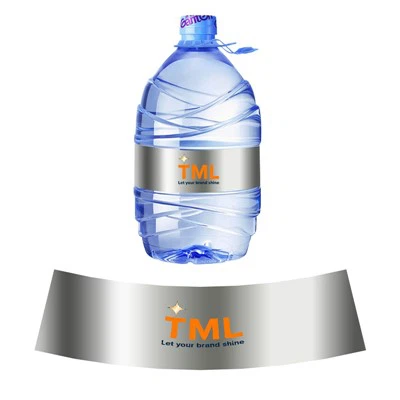
In conclusion, adhesive labels can indeed have a scratch – resistance feature, and this is determined by the face stock material, surface treatments, and various external factors. Scratch – resistant labels are essential in many industries to ensure the longevity and legibility of important information. As a leading adhesive labels supplier, we are committed to providing high – quality, scratch – resistant labels that meet the diverse needs of our clients.
Printed Box If you are in need of adhesive labels with excellent scratch – resistance, we invite you to contact us for a detailed discussion. Our team of professionals is ready to assist you in finding the perfect label solution for your products. We look forward to the opportunity to work with you and contribute to the success of your business.
References
- ASTM International. (2023). Standard Test Methods for Abrasion Resistance of Organic Coatings by the Taber Abraser. ASTM D4060 – 19.
- ISO. (2022). Paints and varnishes — Determination of scratch resistance — Part 1: Scratch test with a diamond stylus. ISO 1518 – 1:2022.
- Wypych, G. (2019). Handbook of Materials for Packaging. William Andrew.
TML Packaging Co., Ltd.
TML Packaging Co., Ltd. is well-known as one of the leading adhesive labels manufacturers and suppliers in China. Please feel free to buy high quality adhesive labels at competitive price from our factory. Contact us for more details.
Address: Room 423, Building 5, Xixi First Building, Xihu District, Hangzhou City, Zhejiang Province
E-mail: sales@T-M-L.com
WebSite: https://www.t-m-l.com/
