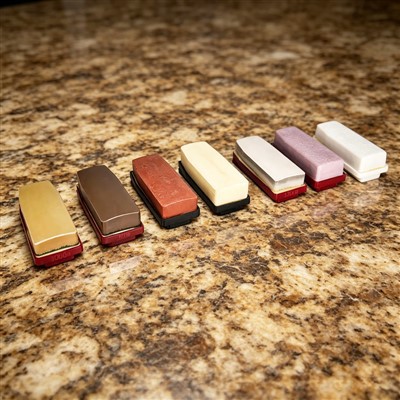
As a supplier of Frankfurt Brushes, I’ve often been asked whether these brushes are suitable for still – life painting. In this blog post, I’ll delve into this topic from multiple perspectives, including the characteristics of Frankfurt Brushes, the requirements of still – life painting, and real – world examples. Frankfurt Brush
Characteristics of Frankfurt Brushes
Frankfurt Brushes are renowned for several key features that set them apart in the art supplies market. Firstly, the materials used in their construction play a crucial role. These brushes typically feature high – quality bristles. Natural bristles, such as those from sable or hog, are often employed. Sable bristles are incredibly soft, fine, and have excellent water – holding capacity. This allows for smooth and even application of paint, whether it’s watercolor, gouache, or oil paint. Hog bristles, on the other hand, are stiffer. They can hold a large amount of paint and are great for making bold strokes, covering large areas, or creating texture.
The shape of Frankfurt Brushes is also diverse. There are round brushes, which are very versatile. They can be used for detailed work, like adding fine lines or dots, as well as for general painting. The pointed tip allows for precise application, while the belly of the brush can hold a sufficient amount of paint. Flat brushes offer wide coverage, making them ideal for blocking in large areas of color quickly. Angular brushes, with their unique shape, are excellent for creating sharp edges and corners, which can be very useful in still – life painting when trying to depict the straight edges of objects like boxes or tables.
Another important characteristic is the handle of the Frankfurt Brushes. They are usually well – crafted, providing a comfortable grip. A good handle design is essential as it allows the artist to have better control over the brush, reducing fatigue during long painting sessions. This is especially important in still – life painting, where an artist may spend hours carefully working on a single piece.
Requirements of Still – Life Painting
Still – life painting has its own set of requirements that an artist needs to meet. One of the most significant aspects is detail. In a still – life composition, the artist is often trying to capture the intricate details of objects, such as the texture of a fruit peel, the reflections on a glass surface, or the pattern on a fabric. To achieve this level of detail, fine – tipped brushes are essential. Frankfurt Brushes, especially the round ones with natural sable bristles, are perfect for this task. The soft and fine bristles can pick up just the right amount of paint and transfer it precisely onto the canvas, allowing the artist to create delicate lines and subtle shading.
Color blending is another crucial requirement in still – life painting. Different objects in a still – life arrangement may have complex color relationships, and the artist needs to be able to blend colors smoothly to create a realistic and harmonious composition. Frankfurt Brushes, with their good water – holding or paint – holding capabilities, are well – suited for color blending. For example, when using oil paints, a brush with sable bristles can be used to gently blend different colors together, creating seamless transitions between hues.
Creating texture is also an important part of still – life painting. Depending on the objects in the still – life, the artist may need to depict smooth surfaces like polished metal, rough surfaces like wood grain, or bumpy surfaces like a knitted fabric. The various types of Frankfurt Brushes can help achieve different textures. Stiffer hog bristle brushes can be used to create thick, impasto – style strokes to mimic the texture of rough surfaces, while softer brushes can be used to blend and smooth out areas to represent smooth surfaces.
Real – World Examples
Let’s look at some real – world examples of how Frankfurt Brushes have been used in still – life painting. Many professional artists who specialize in still – life have praised the performance of these brushes. Take, for instance, an artist who is painting a still – life of a bouquet of flowers. The round sable brushes can be used to paint the delicate petals, adding fine details like the veins and the subtle color variations. The flat brushes can be used to quickly paint the background, blocking in the colors and creating a base for the flowers.
In a still – life of a still – life of a table with a glass of wine, fruits, and a book. The angular brushes can be used to paint the straight edges of the book and the glass, while the hog bristle brushes can be used to create the rough texture of the wooden table. The artist can use the water – holding capacity of the sable brushes to blend the colors of the wine and the reflections on the glass, making them look more realistic.
Advantages of Using Frankfurt Brushes in Still – Life Painting
There are several advantages of choosing Frankfurt Brushes for still – life painting. Firstly, the quality of the brushes ensures durability. High – quality bristles and well – made handles mean that the brushes can withstand repeated use and cleaning. This is important for artists, as they don’t want to constantly replace their brushes during the process of creating a still – life painting.
Secondly, the versatility of Frankfurt Brushes allows artists to use a single set of brushes for different stages of a still – life painting. From the initial sketching to the final detailing, these brushes can handle a wide range of tasks. This not only saves money but also reduces the need for artists to carry around multiple types of brushes.
Finally, using Frankfurt Brushes can enhance the overall quality of the still – life painting. The smooth application of paint, the ability to create fine details and realistic textures, and the excellent color – blending capabilities all contribute to a more professional and polished final result.
Potential Challenges
While Frankfurt Brushes offer many benefits for still – life painting, there are also some potential challenges. One of the main challenges is the cost. High – quality Frankfurt Brushes, especially those made with natural sable bristles, can be quite expensive. This may be a deterrent for some artists, especially those who are just starting out or on a tight budget.
Another challenge is the maintenance. To keep the brushes in good condition, they need to be properly cleaned and stored. If not maintained correctly, the bristles can become damaged or lose their shape, which can affect the performance of the brushes in still – life painting.
Conclusion
In conclusion, Frankfurt Brushes are highly suitable for still – life painting. Their unique characteristics, such as high – quality bristles, diverse shapes, and comfortable handles, meet the specific requirements of still – life painting, including detail work, color blending, and texture creation. Real – world examples show that many professional artists have achieved great results using these brushes. Although there are some potential challenges like cost and maintenance, the advantages far outweigh the disadvantages.
Buff Frankfurt and Classical Abrasive If you’re an artist interested in still – life painting or a gallery owner looking for high – quality art supplies for your artists, I invite you to contact me for a procurement discussion. Together, we can explore how Frankfurt Brushes can enhance your still – life painting works.
References
- "The Art of Still – Life Painting" by [Author’s Name]
- "Brush Techniques for Fine Art" published by [Publisher’s Name]
- Professional artist interviews on the use of Frankfurt Brushes in still – life painting
Quanzhou Cheefung New Materials Co., Ltd.
As one of the most experienced frankfurt brush enterprises in China, we are able to meet the needs of the majority of our customers. Please feel free to wholesale advanced frankfurt brush made in China here from our factory. For price consultation, contact us.
Address: Jinshan Community, Licheng District, Quanzhou City, Fujian, China
E-mail: info@prostonetools.com
WebSite: https://www.prostonetools.com/
