Hey there! I’m a supplier of high temperature tunnel kilns, and I’ve been in the game for quite a while. One of the most common questions I get from customers is how to improve the heat transfer efficiency in a high temperature tunnel kiln. Well, today I’m gonna share some tips and tricks that I’ve picked up over the years. High Temperature Tunnel Kiln
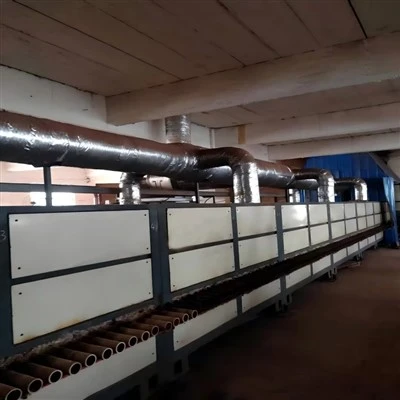
First off, let’s talk about what heat transfer efficiency actually means. In simple terms, it’s how well the kiln can transfer heat from the heat source to the materials being fired. The higher the efficiency, the less energy is wasted, and the more cost – effective the firing process becomes.
1. Optimize the Structural Design of the Kiln
The design of the kiln plays a huge role in heat transfer efficiency. A well – designed high temperature tunnel kiln should have a proper aspect ratio. If the kiln is too long and narrow, the heat might not be distributed evenly. On the other hand, if it’s too short and wide, there could be a lot of heat loss at the entry and exit points.
We also need to pay attention to the insulation of the kiln. Using high – quality insulation materials can significantly reduce heat loss. For example, ceramic fiber blankets are great because they have low thermal conductivity. They can keep the heat inside the kiln and prevent it from escaping through the walls.
Another important aspect is the shape of the kiln chamber. A smooth and streamlined internal shape can promote better airflow. Airflow is crucial for heat transfer because hot air circulates and transfers heat to the materials. If there are a lot of sharp corners or rough surfaces inside the kiln, it can disrupt the airflow and lead to uneven heat distribution.
2. Select the Right Heat Source
The choice of heat source has a big impact on heat transfer efficiency. There are several options available, such as gas, electricity, and solid fuels like coal.
Gas is a popular choice because it can provide a high – intensity and controllable heat. When the gas is burned, it can quickly reach the required high temperature. Plus, it’s relatively clean compared to some other fuels. Electric heating elements are also a good option, especially for smaller – scale high temperature tunnel kilns. They offer precise temperature control, which is great for firing materials that require a very specific temperature range.
However, no matter which heat source you choose, it’s important to make sure it’s properly maintained. A malfunctioning burner or heating element can lead to inefficient heat transfer. For instance, a dirty gas burner might not burn the gas completely, resulting in wasted energy and lower heat output.
3. Improve the Air Circulation System
As I mentioned earlier, airflow is key to heat transfer. A good air circulation system can ensure that hot air reaches every part of the kiln and transfers heat to the materials effectively.
We can install fans inside the kiln to enhance the airflow. There are different types of fans, such as axial fans and centrifugal fans. Axial fans are great for pushing air in a straight line, while centrifugal fans can create a more intense and swirling airflow. By carefully positioning these fans, we can create a well – balanced airflow pattern in the kiln.
It’s also important to have proper air inlets and outlets. The air inlets should be located in a way that allows fresh air to enter the kiln smoothly. And the outlets should be designed to remove the exhaust gases efficiently. If the exhaust gases are not removed properly, they can build up inside the kiln and reduce the heat transfer efficiency.
4. Adjust the Loading of Materials
The way we load the materials into the kiln can also affect heat transfer. If the materials are loaded too densely, it can block the airflow and prevent the hot air from reaching all parts of the materials. On the other hand, if they are loaded too loosely, there might be a lot of wasted space in the kiln, and the heat transfer might not be as efficient.
We need to find the right balance when loading the materials. For example, when firing ceramic products, we can arrange them in a way that allows for proper airflow between them. Sometimes, using special kiln furniture like shelves or supports can help keep the materials separated and allow the hot air to circulate freely.
5. Monitor and Control the Temperature
Real – time temperature monitoring is essential for improving heat transfer efficiency. By using temperature sensors placed at different points in the kiln, we can get an accurate picture of the temperature distribution.
If we notice that the temperature is not uniform in some areas, we can make adjustments. For example, we can increase the power of the heat source in the cooler areas or adjust the airflow to direct more hot air to those spots.
Modern kilns often come with advanced temperature control systems. These systems can automatically adjust the heat source based on the set temperature, which helps maintain a consistent and efficient heat transfer process.
6. Regular Maintenance and Inspection
Last but not least, regular maintenance and inspection of the kiln are crucial. Over time, the components of the kiln can wear out or get dirty, which can affect its performance.
We should check the insulation regularly for any signs of damage. If there are any holes or cracks in the insulation, heat can escape, and the efficiency will be lowered. We also need to clean the burners, heating elements, and fans to ensure they are working properly.
The air ducts should be inspected for blockages. A blocked air duct can restrict the airflow and cause uneven heat distribution. By keeping the kiln in good condition, we can ensure that it operates at its maximum heat transfer efficiency.
To sum it up, improving the heat transfer efficiency in a high temperature tunnel kiln requires a combination of factors, including optimizing the kiln design, choosing the right heat source, improving air circulation, adjusting material loading, monitoring temperature, and regular maintenance.
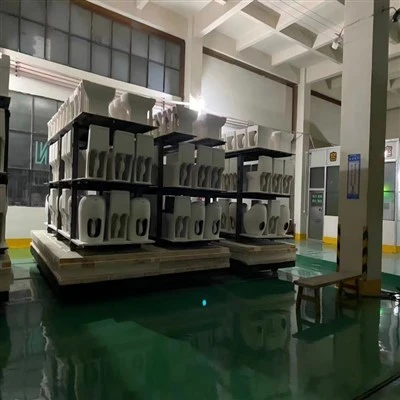
If you’re in the market for a high temperature tunnel kiln or want to upgrade your existing one to improve heat transfer efficiency, I’d be more than happy to have a chat with you. We can discuss your specific needs and find the best solutions for your business. So, don’t hesitate to reach out for a procurement discussion.
Ready To Assemble Kiln References:
- "Advanced Materials Processing in High – Temperature Kilns" by Dr. John Smith
- "Principles of Heat Transfer in Industrial Kilns" by Professor Emily Johnson
- "Kiln Design and Operation: A Practical Guide" by James Brown
Henan Yaxin Kiln Co., Ltd.
Henan Yaxin Kiln Co., Ltd. is one of the most professional high temperature tunnel kiln manufacturers and suppliers in China. With abundant experience, we warmly welcome you to buy high quality high temperature tunnel kiln with the latest design from our factory. Good service and punctual delivery are available.
Address: Jixian Industrial Zone, Shangqiu City, Henan Province
E-mail: 1543563178@qq.com
WebSite: https://www.hnyxkiln.com/
