When I first started as a rimless glasses supplier five years ago, I thought picking a pair of frames was just about picking something that looked “nice.” Back then, I’d grab a sample of rimless frames for anyone who walked into our small showroom, not realizing how much a face shape can change how those frames actually fit and feel. I’ve had customers leave frustrated because a pair they loved online sat awkwardly on their cheekbones, and others come back a month later saying their new rimless glasses hurt behind their ears—all because we didn’t talk enough about face shapes when they placed their order. Over time, I’ve learned that rimless glasses, with their delicate, hinge-less (or almost hinge-less) structure, are less forgiving than full-rim or semi-rimless styles. That’s why knowing what face shapes suit them best isn’t just a “style tip” — it’s the difference between a pair of glasses someone wears every day and a pair that sits in a drawer collecting dust. Rimless Glasses

First, let’s talk about the most common face shape I see coming to us: oval faces. I can’t count how many times an oval-faced customer has ordered rimless glasses and fallen in love immediately, and honestly, it’s easy to see why. Oval faces are the gold standard for rimless frames because their balanced proportions—jawline slightly narrower than forehead, gentle curve from cheekbone to chin, no sharp angles—mean almost any rimless style will complement them. I recently had a customer, Mia, who came in because she’d always struggled with full-rim glasses that made her face look too “heavy” around the eyes. She tried our minimal cat-eye rimless frames, and she texted me three days later saying people had been asking if she got a new haircut, not new glasses. What makes oval faces so versatile with rimless styles? Because rimless glasses don’t add extra width or bulk, they highlight the natural symmetry of an oval face without overpowering it. Whether it’s a thin wire rimless frame with round lenses, slightly angular rectangular lenses, or even soft teardrop shapes, rimless designs play to the balanced features of an oval face. We also keep a wide range of lens sizes for oval faces—if someone wants a more subtle look, we suggest smaller 48mm lenses, and if they prefer a more noticeable frame, 52mm lenses work too. The key with oval faces is that there’s no “wrong” rimless style; it’s just about what the customer feels good in.
Next up: square faces. Square faces have strong, sharp jawlines, a broad forehead, and equal width across the forehead, cheekbones, and jaw. The challenge with square faces and rimless glasses is that without a full rim to soften the edges, angular rimless styles can make the face look even more blocky. That’s why I always steer square-faced customers toward rimless frames with soft, curved lens shapes. For example, round or slightly oval lenses with thin metal rims help balance the sharp jaw and forehead of a square face. Last year, we had a customer named Liam, a graphic designer with a very square jaw, who’d been wearing thick full-rim glasses that he said made him look “too serious” for his laid-back job. He tried our round wire rimless frames, and he told me later that his coworkers noticed he smiled more—he said the softer lens shape made his whole face feel less harsh. Another tip for square faces: avoid any rimless frames with sharp, straight edges. Angular rectangular lenses, while great for many face shapes, tend to accentuate the square’s jawline, which can feel unbalanced. We also recommend adding a slight nose pad adjustment for square faces—since their cheekbones are often high, a well-adjusted nose pad keeps the lenses from slipping down and drawing more attention to the lower part of the face, which is already defined.
Now, let’s talk about heart-shaped faces. Heart-shaped faces are defined by a wide forehead, high cheekbones, and a narrow, pointed chin—think of the shape of a heart, tapering down from the top. Rimless glasses work really well here, but there’s a common mistake we see a lot: customers picking small lenses that make the forehead look even wider. For heart-shaped faces, the best rimless styles are those with lenses that add a little width at the bottom, or soft, slightly rectangular shapes that balance the upper face. A few months back, I had a customer named Sophia, a teacher with a heart-shaped face, who ordered tiny round rimless frames because she thought they’d look delicate. She returned them a week later saying they made her forehead look too big and her chin look tiny in comparison. We swapped her for our slightly oversized teardrop rimless lenses, and she said it was the first pair of glasses that made her feel like her face was in proportion. The key for heart-shaped faces is to avoid lenses that are narrow at the bottom—they emphasize the already small chin and make the forehead feel unbalanced. Instead, lenses that are widest at the mid-cheekbone level, with a soft taper toward the bottom, blend nicely with the heart shape. We also offer rimless frames with adjustable temples (the arms that go over your ears) for heart-shaped faces, because their heads are often narrower at the sides, so an adjustable temple prevents the frames from slipping outward.
What about round faces? Round faces have soft, curved features, with equal width and length, and a chin that doesn’t taper to a point. The goal for round faces with rimless glasses is to add subtle angles and definition without making the face look harsh. I know some people think rimless glasses would be too soft for a round face, but that’s not true—you just have to pick the right lens shape. We always recommend rectangular or slightly angular rimless lenses for round faces, because their straight edges contrast with the round’s soft curves, creating the illusion of a longer, more defined face. I had a customer named James, a chef with a round face, who tried our round rimless frames first and said they made his face look “fuller.” We suggested our thin rectangular rimless frames, and he said it was a game-changer. He even ordered a second pair to alternate with. Another tip for round faces: pick rimless frames with nose pads that sit close together, not spread out. Wide nose pads can make the cheeks look wider, so narrow-set nose pads help streamline the face. We also tell round-faced customers to avoid oversized rimless lenses—while they might look trendy, they can overwhelm a round face, making it look shorter and wider. Stick to medium-sized lenses that sit just above the cheekbones, and you’ll get a balanced look.
I get a lot of questions about long or rectangular faces too. Long faces have a length that’s greater than their width, a straight jawline, and a narrow forehead. The goal here is to add width to the upper part of the face, and rimless glasses can work perfectly for this if chosen right. The mistake most people make with long faces is picking narrow, vertical lens shapes, which make the face look even longer. Instead, we recommend rimless frames with wide, horizontal lens shapes—think soft rectangles that are wider than they are tall. For example, our 54mm horizontal teardrop rimless frames work great for long faces because they add width across the cheekbones, balancing the face’s length. Last year, a customer named Emma, a librarian with a long face, came to us because she hated her full-rim glasses that made her face look “like an egg.” We gave her a pair of wide horizontal rimless frames, and she said her friends commented that she looked “less tired” within a week. Another tip for long faces: avoid any rimless frames with high-set lenses, which sit closer to the forehead. Low-set lenses that sit at the mid-cheekbone level draw the eye downward, which helps shorten the appearance of a long face. We also adjust the temple length for long faces—their heads are often longer, so a slightly longer temple prevents the frames from sitting too high on the face.
Now, what about face shapes that rimless glasses might not be the best fit for? I’ve had a few customers with very wide jawlines (like strong square faces, but even more pronounced) who tell me rimless glasses feel “unstable” on their face. That’s because rimless glasses don’t have a full rim to hold the structure together, so they can shift more if the face has very strong, sharp angles that pull on the lens screws. If a customer has an extremely angular face, I usually suggest semi-rimless glasses as a middle ground—they have a top rim for stability, but no bottom rim, so they still feel light and delicate like rimless. We also find that people with very high cheekbones might need to try a few different nose pad adjustments to find a rimless pair that sits comfortably—since high cheekbones can push lenses up, adjustable nose pads help keep the lenses in place without pinching.
Over the years, I’ve also learned that personal style plays a big role, even when we’re talking about face shapes. I had a customer with a round face who absolutely loved the retro vibe of round rimless glasses, even though most of our recommendations were rectangular. She adjusted the fit by moving the nose pads slightly, and she told me she got more compliments on those round frames than any other pair she’s ever had. That’s why at our rimless glasses supply, we never just go by a strict formula—we take measurements of the customer’s face (forehead width, cheekbone width, jawline width, face length), then pair that with their style preference. Some people want a frame that makes their face look balanced, and others want a frame that expresses their personality, even if it’s a little outside the “recommended” shape.
If you’re looking for rimless glasses, the first step is to figure out your face shape, but don’t stop there. Take note of your cheekbone height, nose pad comfort, and the overall feel of the frames when you put them on. Rimless glasses are meant to feel like they’re barely there—light, flexible, and comfortable enough to wear for 12-hour workdays, commutes, or weekend adventures. That’s what makes them so popular with professionals, students, and anyone who hates the weight of thick frames.
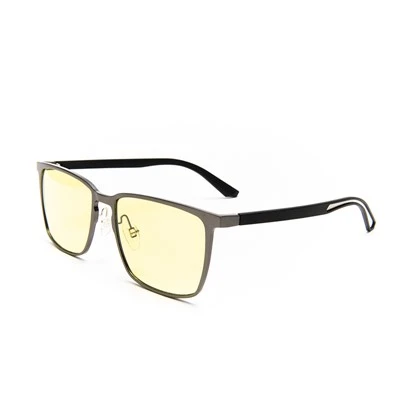
At our rimless glasses supply, we work with optometrists, boutique optical shops, and online retailers to provide high-quality, durable rimless frames that fit all face shapes. We know that choosing the right rimless glasses isn’t just about style—it’s about comfort, fit, and making you feel confident every time you look in the mirror. If you’re an optical professional looking to add premium rimless frames to your inventory, or if you’re a retail partner interested in bulk ordering, we’d love to chat about how we can work together to fit your customers’ needs. Our team has years of experience matching face shapes to the perfect rimless design, and we’re here to help you find the right frames that keep customers coming back. Reach out to our purchasing team to discuss custom options, bulk pricing, and our full range of rimless styles. Let’s find the perfect rimless glasses for every face, together.
Rimless Glasses References:
- American Academy of Ophthalmology. (2022). Frame Fit Guide for Prescription Eyewear.
- International Journal of Optometry. (2021). The Impact of Eyewear Frame Shape on Facial Proportion and User Confidence.
- National Eyewear Association. (2020). Rimless Eyewear: Design, Fit, and Patient Comfort Considerations.
- Journal of Dermatological Science. (2019). The Relationship Between Frame Shape and Facial Symmetry in Eyewear Wearers.
- Optical Society of America. (2018). Structural Considerations for Rimless Eyewear Durability and Fit.
Yuhuan Longsen Glasses Co., Ltd.
As one of the most professional rimless glasses manufacturers and suppliers in China, we offer a wide range of products with superior quality. Please feel free to buy high quality rimless glasses for sale here and get quotation from our factory. We also accept customized orders.
Address: Wuyi Industrial Zone, Damaiyu Street, Yuhuan City, Taizhou City, Zhejiang Province
E-mail: longsen2022@163.com
WebSite: https://www.longsenglasses.com/
