Hey there, thanks for dropping by. Let’s cut to the chase—induction heating machines are total workhorses for so many industries, right? I’m an induction heating machine supplier, and I talk to guys in manufacturing, automotive, aerospace, metal fabrication, you name it, every single day. Everyone’s hyped about the upsides: precise heat, no open flames, energy efficient, fast. But here’s the thing—no tool is perfect. Even the best induction heater has dark sides that most new buyers don’t see coming until they’ve already dropped a chunk of cash and realized they’re stuck. Today, I’m spilling the tea on the real disadvantages I’ve seen people (and my own clients) run into. No sales fluff, just straight talk from someone who sells these things for a living and hates when folks get burned (pun very intended) by under-researched purchases. Induction Heating Machine
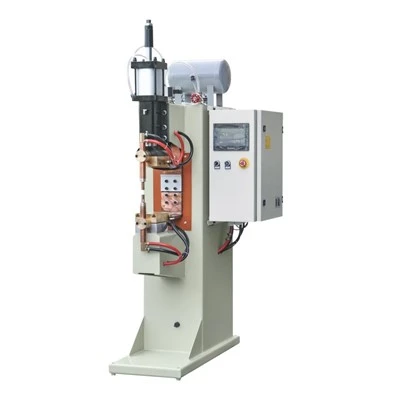
First up, and this is the big one most people sleep on upfront: the upfront cost. Let’s be real—induction heating machines aren’t cheap. If you’re a small fabrication shop or a startup that’s just testing the waters, a basic unit for 1-2 kW might run you a few thousand bucks, but if you need something with more power—like 10 kW or higher for heavy-duty work, brazing large automotive parts or forging thick metal stock? We’re talking $10k, $20k, even $50k for industrial-grade setups. Compare that to a old-school torch or resistance heater that costs a couple hundred or thousand, and it’s a huge sticker shock. I had a client last year, a 3-man metal art studio, come to me because their cheap torch was giving them inconsistent results and wasting gas. They saved up for 6 months for a 5 kW induction heater, but then hit another wall—they didn’t account for the extra parts. Wait, right, I forgot to mention: you can’t just buy the machine and go. You need matching work coils, right? Coils are custom, and they’re not one-size-fits-all. A coil for brazing a small valve is way different than one for forging a big wrench. Those can run a few hundred bucks each, and if you need multiple coils for different jobs, that adds up fast. Plus, if you don’t have the right coil design for your specific part, the machine won’t work properly at all. I’ve seen guys buy a whole unit, then realize their part needs a custom coil that’s an extra $1,500. That’s the kind of hidden cost that kills small budgets.
Next up: massive energy use when not sized right, or even when sized right for the wrong load. Wait, I know I said induction is energy efficient, and it is—compared to other heating methods. But only when it’s used correctly. Let’s say you buy a 15 kW machine, but most of your jobs only need 5 kW. Those standby power losses add up. Induction machines have an inverter and a resonant circuit that’s always drawing some power even when it’s idling, right? My client who did small batch automotive parts? They were running their 10 kW machine for 2 hours a day, but since they forgot to turn it off during lunch breaks and weekends, they were burning through $800 extra in electricity every month, just because of idle load. And if you size it too big for your routine work, that’s a huge waste. On the flip side, if you under-size it—say you get a 3 kW unit for forging 1-inch steel rods—you’ll wait forever for the metal to heat up, or the machine will overheat and shut down. I’ve had to fix so many new machines that were damaged because people tried to push them beyond their rating. It’s a catch-22, and sizing is way trickier than it sounds.
Then there’s the whole coil and material compatibility thing. Induction heating works on eddy currents in conductive materials, right? So if your part isn’t metal, or isn’t a good conductor of electricity, it won’t heat up at all. Like, if you’re working with ceramics or plastic? Induction is useless. Even with metals—wait, not all metals play nice. Aluminum and copper have lower magnetic permeability, so they need higher frequency induction machines than steel or iron. A lot of new buyers don’t know that. They buy a general-purpose unit, and then wonder why their aluminum parts aren’t heating up. You need to match the frequency to the material and the depth of heating you want. Higher frequency for surface hardening (like gears), lower for deeper heating (like forging). Get that wrong, and you’re wasting time, money, and electricity. Also, coils wear out fast if you’re using them on hard or abrasive materials, or if you’re heating high-temperature metals (like titanium or stainless steel that gets super hot). I had a client heating titanium for aerospace parts, and their copper coil cracked after 2 months because of thermal stress. Replacing that coil every couple months adds up over time—way more than the initial machine cost if you’re running it nonstop.
Hey, let’s not forget about EMF exposure. That’s something a lot of guys in the shop don’t think about until their wrists start tingling or they get a weird headache after a long shift. Induction machines emit electromagnetic fields, right? High levels can interfere with things like pacemakers, watches, credit cards, even sensitive electronics in your shop—like PLCs, sensors, or even the control panel of your other machines. I had a client whose induction heater was right next to their CNC router, and after a week, the CNC was glitching out every time they ran the induction. Turns out the EMF was messing with the router’s control board. Also, OSHA has limits on EMF exposure for workers, so if you’re running these machines 8+ hours a day, you might need to add shielding—like copper barriers or grounded enclosures. That’s another cost you don’t see upfront, and if you’re a small shop, that’s a headache. Some cheap imported induction machines don’t have proper EMF shielding built in, so you’re stuck retrofitting it. I always advise clients to check the CE or UL ratings for EMF compliance, but even then, placement matters. You can’t stick a 10 kW induction heater 2 feet from your workbench where your guys are standing all day.
Another thing: the learning curve. These machines aren’t plug-and-play like a space heater, sorry. You have to set parameters—frequency, power output, heating time, coil alignment—for every single job. If you’re brazing a small joint vs. annealing a big tube, those settings are totally different. I’ve seen guys with zero experience try to run these machines, and they either burn the part, get uneven heat, or break the coil because they didn’t know how to adjust the power. Even for folks who have used other heating methods, induction is a whole different beast. A lot of suppliers will give you basic training, but if you’re running complex jobs, you might need to send someone to a formal training course, which is another expense. And if you turn over your shop floor staff often, you’re retraining people all the time. It’s not a dealbreaker, but it’s a factor, especially for small teams that don’t have a dedicated operator.
Oh, and maintenance! Induction machines have moving parts—fans for cooling, pumps for water-cooled coils, filters, capacitors, inverters. Those parts wear out over time. If you get an air-cooled machine, the fan can get clogged with metal shavings and dust in your shop, leading to overheating and machine damage. Water-cooled units need regular flushing to prevent mineral buildup in the hoses and coils, which can cause leaks or blockages. I had a client who forgot to flush their water lines for 6 months, and the coil ended up leaking all over the machine’s control panel—cost them $3,000 in repairs. Also, replacement parts aren’t always cheap. Capacitors for the inverter can cost hundreds of dollars, and if you buy a no-name off-brand machine, good luck finding replacement parts locally. A lot of guys end up waiting weeks for parts if their supplier is overseas, which shuts down production. That downtime is way more expensive than the cost of the part, honestly.
Wait, let’s talk about part size limits too. If you need to heat a really large part—like a 10-foot steel beam for construction, or a huge aerospace engine component—induction has limits. The coil can only be so big, right? Even if you crank up the power, getting uniform heat over a very large part is hard. You might have to use multiple coils, or move the part through the field, which adds time and setup. Compare that to a torch that can wrap around a big part, or a furnace that can heat a whole load at once. Induction works best for localized heating, so if you need full-part heating for something massive, it’s not the most efficient or reliable option.
And let’s not gloss over the safety stuff that’s not just EMF. The coils get super hot, obviously, so if you’re not careful, you can burn yourself really bad if you touch them mid-cycle. Also, if you’re heating flammable materials nearby—like paint, oil, or wood—you have to make sure the heat doesn’t spread. Induction doesn’t have open flames, but the hot part can ignite things if they’re too close. I always warn clients to set up a safe work area around the machine, but that’s an extra step people skip, leading to accidents.
Now, before you start thinking “induction heating is garbage,” let me circle back to why I sell these things and why they’re worth it for the right job. For localized heating, precise work, no emissions, energy efficient once sized right—they’re unbeatable for a lot of industries. But the key here is that they’re not one-size-fits-all. The disadvantages I’m talking about aren’t flaws in the technology, they’re just realities that you have to plan for if you’re going to buy one.
If you’re in the market for an induction heating machine, don’t just go for the cheapest unit online. Do your homework: figure out exactly what power, frequency, and coil size you need for your specific jobs. Account for hidden costs: extra coils, shielding, maintenance, training. Think about your shop’s size, your staff’s experience, and the types of parts you’re making.
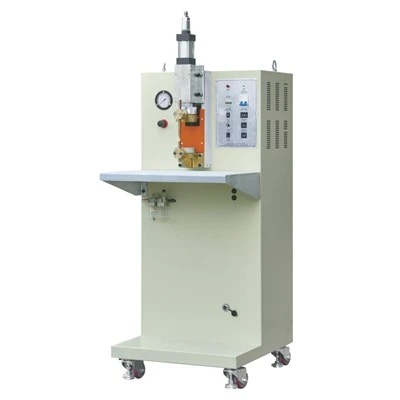
If you want to chat more about how to avoid these pitfalls, or get a custom quote that fits your needs, just reach out. I’m here to help you figure out if induction is right for you, and if so, how to get set up without all the headaches I mentioned. No pressure, no sales pitch that’s too good to be true—just real advice from a guy who’s been in this game for years.
Induction Heating Machine References:
- Occupational Safety and Health Administration (OSHA). Electromagnetic Fields (EMF) in the Workplace. 2023.
- ASM International. Induction Heating: Principles and Applications. 2021.
- U.S. Department of Energy. Industrial Heating Equipment Assessment: Induction Heating. 2022.
- National Fire Protection Association (NFPA). Standard for Fire Protection in Industrial Plants. 2020.
Dongguan Huineng Welding Equipment Co., Ltd.
We are one of the most experienced induction heating machine manufacturers and suppliers in China. With a professional production team, we offer a wide range of products with superior quality. Please feel free to buy customized induction heating machine at competitive price from our factory.
Address: 530 Guantai Road, Xitou Village, Houjie Town, Dongguan City, Guangdong Province
E-mail: fengshanggang75@126.com
WebSite: https://www.huinengwelder.com/
