Hey everyone, let’s talk about something that confused me big time when I first started working in the lighting supply game: that random “IP rating” you see on light fixtures. At first, I thought it was just another box to check on a spec sheet, but now? It’s the whole reason certain lights work (and don’t die) in places like gym locker rooms, outdoor patios, or even your grandma’s steamy bathroom. Let’s break this down like we’re chatting over coffee—no stuffy engineering jargon, promise. By IP Rating

First off, what even is “IP”? Stands for Ingress Protection, basically a global code that tells you how well a light fixture is sealed up against two things: solid stuff (dirt, dust, bugs) and liquid (water, soda spills, rain, you name it). It’s a two-digit number, right? First digit = solid protection, second = liquid. I still remember the first time a customer asked me to explain these digits, I blanked on the second one—turns out I’d just been copying specs for years without really getting it.
Let’s start with the first digit because that’s usually simpler to wrap your head around. It goes from 0 to 6. A 0 means zero protection against solids—so that light’s basically wide open to dust bunnies, bugs, whatever floats (or falls) its way. A 6 is the gold standard for solids: totally dust-tight. No tiny dirt particles can sneak in at all. I once sold a $20 IP65 outdoor light to a guy who was replacing his cheap IP20 ones in a construction zone. He came back a month later and told me his old lights looked like they’d been buried in a sandpit—dust everywhere, dim enough that he couldn’t see to carry tools. That’s the first digit mattering right there.
Now the second digit, that’s the one that trips most people up. It’s about liquid, and it goes from 0 to 8. 0 means no liquid protection at all—these are indoor lights only, like the ones above your kitchen cabinet that never see a drop of water. A 1 means just protected against falling vertical drops, like condensation in a bathroom. A 5 is a big one for outdoor stuff: protected against low-pressure water jets from any direction. That’s why I recommend IP65 for most patio lights or storefront lights—they can handle light rain, splashes from a sprinkler, even a stray hose if you’re washing the sidewalk. Then there’s 8, which is submersible—those are the lights you’d use in a fountain or a swimming pool, totally fine being fully underwater for extended periods.
Here’s the thing: I’ve seen way too many people pick the wrong IP rating, and it’s a waste of money for everyone. Like, a customer tried to put an IP20 light above their garage door last spring. Guess what? We had a random thunderstorm, water seeped in, and the light died in two days. He came screaming back, but it was totally on him—IP20 is for indoor dry areas, not outdoor. On the flip side, I don’t want someone overspending on an IP68 light for a kid’s bedroom ceiling. That’s like buying a rain jacket to walk to the mailbox—total overkill. My job as a supplier is to match the light’s IP exactly to where it’s going, no extra cost for stuff you don’t need.
Wait, also, there’s a little asterisk with IP ratings, right? They’re tested in controlled lab conditions, not real life. A light rated IP65 can handle a steady rain for hours, but if you blast it with a pressure washer at 2000 PSI, that’s way more than the test jets, so it might leak. I always warn customers about that—don’t abuse the rating, use it as a guide, not a free pass for careless cleaning.
Another common misconception: IP ratings are only for outdoor lights. Nope! I’ve got clients putting IP44 lights in restaurant kitchens to handle all the grease and steam from deep fryers, IP54 lights in gyms to handle sweat and cleaning spray on the walls, even IP23 lights for office hallways that might get spilled coffee on the floor sometimes. That’s the beauty of it—every space has different hazards, and the IP code is the easiest way to pick a light that’ll hold up.
Let me give you a quick cheat sheet I keep in my back pocket for new customers, no jargon:
- IP20: Indoor only, dry areas (bedrooms, offices, living rooms)
- IP23: Indoor, can handle light moisture (hallways, entryways, maybe a covered porch that rarely gets wet)
- IP44: Indoor/outdoor, splash-proof (kitchens, bathrooms, patios, balcony lights)
- IP65: Dust-tight, jet-water resistant (storefronts, construction sites, outdoor signs, areas with lots of dust)
- IP68: Submersible (fountains, pool lights, deep outdoor fixtures)
I’ve been in this supply business for 7 years now, and the number one question I get isn’t “how bright is this light?” or “how much does it cost?” It’s “what IP rating do I need?” People don’t realize that a light’s lifespan isn’t just about the bulb—it’s about the fixture holding up to where it’s installed. A friend of mine runs a retail shop, and he switched all his old lights to IP44 two years ago. Before that, he was replacing 3-4 lights a month from water damage or dust buildup. Now he replaces one a quarter, and his electricity bill is lower because the new, properly rated lights run more efficiently. That’s the real win here—saving money long-term, not just upfront.
Here’s something I wish I’d known when I first started: not all IP labels are created equal. I’ve seen cheap knockoff lights that say “IP65” on the box, but when you test them, water seeps right in. Those cut corners on the seal, which is the whole point of the rating. As a supplier, I only work with brands that have their IP ratings certified by independent labs—no guessing, no fakes. If a price seems too good to be true and it’s for an outdoor light, check the IP label. If it doesn’t have a certification stamp, walk away.
So why does any of this matter to you? Let’s say you’re planning a backyard patio update. You grab a random light at the hardware store, put it up, and a week later it’s dead because it rained a lot that week. That’s a waste of $50, and you have to climb a ladder to replace it (not fun, especially if you’re afraid of heights). Or you’re a facilities manager for a school, and you put cheap lights in the gym, only to have them short out during a basketball game because of all the sweat and spilled Gatorade. That’s a safety hazard, plus you have to close the gym to fix it.
My whole gig is making this easy for you. I don’t just sell lights— I help you pick the right IP rating for your exact space, so you don’t have to deal with replacements, headaches, or wasted money. I’ve got stock on all the common ratings, from IP20 indoor lights to IP68 submersible ones, and I can point you to the exact fixture that fits your needs and budget.
If you’re planning a project, big or small—whether it’s a home bathroom reno, a commercial kitchen build, or an outdoor storefront upgrade—don’t guess on the IP rating. Hit me up, we can chat through what you’re dealing with, figure out exactly what light will work best, and make sure you don’t overspend or under-prepare. No pushy sales stuff, just real advice from someone who’s been in the lighting game long enough to know what works (and what definitely doesn’t).
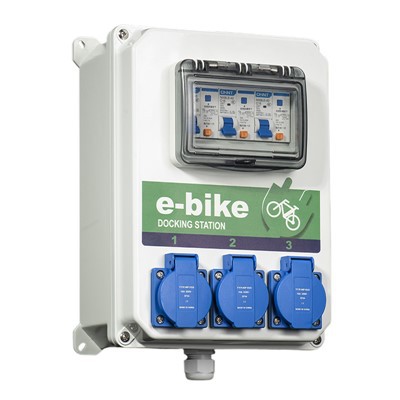
At the end of the day, IP rating isn’t just a code. It’s the difference between a light that dies in a month and one that lasts 5+ years. It’s the difference between a project that goes smoothly and one that’s full of repairs. And as a supplier, my job is to make sure you get that difference, no confusion, no hassle. Reach out if you want to brainstorm for your next project—happy to help.
Combination Distribution Box References:
- International Electrotechnical Commission. (2013). IEC 60529: Degrees of protection provided by enclosures (IP Code). Geneva, Switzerland: Author.
- Underwriters Laboratories. (2021). UL 50E: Enclosures for electrical equipment—Utility, signal, and similar applications. Northbrook, IL: Author.
- Lighting Europe. (2022). Ingress Protection (IP) Ratings for Lighting Products: A Practical Guide for Specifiers and Installers. Brussels, Belgium: Author.
Address: No.2 Yuyao Rd, Yuxin, Nanhu District, Jiaxing, China
E-mail: kevin@apekselectric.com
WebSite: https://www.powerdistros.com/
