If you’ve ever worked with galvanized steel, you know that welders either swear by it or avoid it like the plague. As a galvanized steel supplier, I get at least three questions a week from fab shops, DIYers, and even electricians who “accidentally” bought our hot-dip stuff asking, “How the hell do I weld this without ruining my mask, my lungs, or the weld itself?” Look, I get it—most of the online tutorials either skip the critical part about the zinc coating or make it sound like you need a PhD in metallurgy. I’m here to break this down the way I explain it to my regular customers, no fancy jargon, no stuffy lab talk, just what actually works. Galvanized Steel

First, let’s get the basics straight—galvanized steel is regular steel with a thin zinc coating on top, right? The whole point of that zinc is to stop rust, so when you weld it, you’re melting through that zinc, and that’s where all the problems happen. That zinc vaporizes at a super low temp—like 1,665°F, which is way lower than steel’s melting point (around 2,600°F). So when your welding arc hits the metal, that zinc turns into a toxic, stinky gas before the steel even starts to melt. Breathe that in, and you’re looking at “metal fume fever”—think flu-like symptoms that hit a few hours later, not fun. Plus, if you don’t handle that vapor right, your weld will be porous, brittle, or just plain weak. You’re not using galvanized steel to make a garbage can that rusts in six months, so why mess up the weld?
Let’s start with prep, because this is 80% of the battle, I swear. A lot of people grab their welding helmet and gun, start welding right off the roll or sheet, and wonder why it’s a disaster. Don’t be that guy. The zinc coating is only 2 to 5 microns thick—super thin, but stubborn. If you can grind that off the area within ½ inch of where you’re welding, you’re already ahead. Wait, why only ½ inch? Because that’s how far the zinc vapor will spread when you weld, right? Grind off all the shiny silver zinc, get down to the dull, gray bare steel underneath. A flap disc on an angle grinder works fine—no need for a fancy wire brush, though a stiff wire wheel will help if you’re in a pinch. Just make sure you clean all the loose metal dust off afterward too—more on that later.
What if you don’t have time to grind? Maybe you’re on a job site with limited tools, or it’s a tight corner where grinding is a pain. I get it. Another trick is to use a cutting torch, but only if you’re careful—play the flame over the area you’re gonna weld before you start, and that’ll burn off the surface zinc. Just don’t weld right after, let it cool down first, and make sure you blow off all the burnt zinc ash with compressed air. Even then, grinding is better—torch burning can leave tiny bits of zinc stuck that still vaporize. And hey, if you’re working with our pre-cut galvanized steel sheets, the edges are already cut, so there’s a little less zinc there, but still, grind that extra half inch just in case.
Next, pick the right welding method. Let’s be real, most small shops or hobbyists use either MIG or TIG, so that’s what I’m gonna focus on (stick welding works too, but it’s way less common for thin galvanized stuff). MIG is the go-to for most people, right? When MIG welding galvanized, don’t use the standard wire you’d use for plain steel—go for a 0.035 or 0.045 inch ER70S-6 solid wire, that one works best for galvanized. Wait, some people use flux-cored MIG? I’ve tried that, and it’s okay, but the flux produces more fumes, so I’d only reach for that if I’m outside and need to work fast. For TIG welding, use ER70S-2 filler rod, and make sure you have a good argon gas flow—way more consistent than a mix.
Here’s a huge mistake people make: too high a heat setting. Wait, if you weld at lower amps, you’ll burn through the zinc slower, which means less vapor, right? Yeah, that sounds counterintuitive, but trust me. If you crank the MIG wire speed too high or set your TIG amperage too high, you’ll melt the steel fast, and all that zinc will turn into a big cloud before you can control it. For thin galvanized sheets (like 16 gauge, which we sell a ton of for enclosures or fence posts), set MIG wire speed around 180-220 inches per minute, amps around 90-110. For thicker stuff (like ¼ inch, perfect for brackets), bump it up to 240-280 IPM, 130-150 amps. Slow and steady, not hot and fast.
Now, fumes—this is non-negotiable. I can’t tell you how many times a customer has said, “Oh, I’ll just open a window,” and then calls me next week saying they were sidelined for two days with a fever. The fumes are toxic, period. You need a respirator—make sure it’s a N95 or higher, not that cheap paper one from the hardware store. Even better, get a fresh-air respirator, the kind that pumps clean air right to your face. If you’re welding inside, get a fume extractor hooked right up to your welding gun, or hang a big extraction unit right above your work area. Outdoors? Still don’t skip the respirator—wind can blow the fumes back at you, and even on a big job site, there’s always a time when the wind shifts. I even keep an extra box of respirators at my warehouse for customers who forget theirs when they pick up galvanized steel, it’s that important.
Another tip: move your welding gun slower than you would for plain steel. Wait, no—steady speed. Don’t dart back and forth, don’t speed up mid-weld. A consistent travel speed (around 3-4 inches per minute for thin stuff) gives the zinc time to vaporize and get pushed away from the weld pool, instead of getting trapped inside. If you zip through, the zinc gets stuck in the weld, leading to those porous, weak spots that will crack later. Also, keep your torch or gun at a 15-20 degree angle, dragging it slightly, not pushing. Dragging helps push the fumes away from you and keeps the arc focused on the bare steel, not the leftover zinc.
Wait, what about post-weld cleanup? Don’t skip that either. Right after you’re done welding, the area around the weld is covered with zinc oxide dust, that white powdery stuff. Wipe it off with a damp rag—don’t sweep it dry, that’ll just blow more dust into the air. That dust is still toxic, so bag it up and throw it away, don’t leave it lying around the shop. And if you want to get the best corrosion resistance possible, you can even touch up the weld area with a zinc-rich primer after it’s completely cooled. Wait, doesn’t that defeat the purpose? No, because the weld is where the coating was removed anyway, so adding that extra primer will make it match the original galvanized protection. That’s a trick most people don’t know, and it makes a huge difference for projects that need to last—like outdoor railings or shed roofs, which are two of our most popular orders.
Let’s talk about common mistakes I see all the time, so you can avoid them. First, don’t weld galvanized steel that’s been sitting outside covered in dirt or grime. If it’s got old paint or rust on it, clean that off too—any extra junk on the surface will add more fumes and mess up the weld. Second, don’t use a grinding wheel that’s clogged with old galvanized dust. Change your flap disc if it’s loading up, because that old zinc dust will transfer back to your work piece when you grind, leading to more vapor. Third, don’t tack weld and then walk away for an hour. If you tack it, weld it right after—if the tacked area cools down, more zinc will form around it, so you’ll have to grind it again anyway.
Wait, what about for thicker galvanized steel? Like the ½ inch stuff we use for structural supports? Same rules apply, you just need a bit more heat, but not too much. For stick welding, use an E7018 electrode, preheat it a little (stick welding is a whole other beast, but most guys who use it know that). And for super thick stuff, you can even use a backing gas for TIG, but honestly, most people don’t need that for the projects our customers usually build.
Let me give you a quick example of a recent customer, a small fence builder out in Austin who was messing up 2 out of every 10 fence panels he was welding last month. He was grinding the zinc, but only the area right where he was welding, not the extra half inch, and he was cranking the MIG wire speed way too high. I walked him through the steps: grind the extra half inch, lower his wire speed by 40 IPM, and use a N95 respirator. That week, his defect rate dropped to 0.5%—he saved like $1,200 in bad panels. That’s the kind of result we want every time.
At the end of the day, welding galvanized steel isn’t rocket science. It’s just about paying attention to the coating that makes it special, not fighting it. As a galvanized steel supplier, I’ve worked with thousands of welders, from hobbyists to big fab shops, and the secret is always the same: prep the metal right, control the heat, protect yourself from fumes, and move steady. Skip the shortcuts, don’t ignore the zinc, and you’ll get welds that are strong, clean, and last as long as the galvanized coating itself.
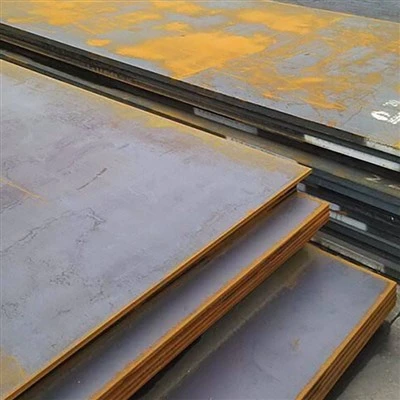
If you’re working on a project, big or small, and you need the right galvanized steel for it—whether it’s fence posts, enclosure panels, structural parts, whatever—hit us up to chat through your needs. We can help you pick the right gauge, answer any more specific questions about welding your order, and make sure you get the material that works best for your job. No generic tutorials, just straight advice for working with our steel, because we care if your project turns out right.
Carbon Steel Rod References:
- "Welding Galvanized Steel: Best Practices for Quality and Safety". American Welding Society, 2022.
- Metallurgy of Welding Galvanized Carbon Steels. Steel Construction Institute, 2021.
- "Respiratory Protection for Welding Operations". Occupational Safety and Health Administration (OSHA), 2023.
- Guidelines for Welding Hot-Dip Galvanized Steel. Galvanizers Association, 2022.
Wuxi Jin Ming Jian De Industry & Trade Co., Ltd.
Wuxi Jin Ming Jian De Industry & Trade Co., Ltd. is one of the most professional galvanized steel manufacturers and suppliers in China, also supports customized service. With abundant experience, we warmly welcome you to wholesale CE approved galvanized steel in stock here from our factory. If you have any enquiry about quotation, please feel free to email us.
Address: 2102-2105, Yuexing Building, Guangnan Road, Liangxi District, Wuxi City, Jiangsu Province, China.
E-mail: info@wxjmjdss.com
WebSite: https://www.jmjdsteelexp.com/
